Disclaimer: Pets For Seniors. This site provides pets content for informational purposes only.
The relationship between a senior and a companion animal is a source of profound emotional and physical health. Studies consistently show that pet ownership can lower blood pressure, reduce feelings of isolation, and provide a vital sense of purpose. However, as we age, our physical capabilities may shift. Limited mobility—whether resulting from chronic conditions like arthritis or temporary recovery from a medical procedure—introduces logistical hurdles to the standard routines of pet ownership.
Identifying Mobility Challenges in Daily Pet Maintenance
The first step in maintaining a successful home environment with a pet is conducting a thorough assessment of daily tasks. Bending over to fill heavy ceramic bowls, lifting large bags of food, and managing waste disposal are all high-risk activities for those with balance issues or back pain. Identifying these triggers early allows you to seek out modifications before an injury occurs.
One of the most effective ways to manage these chores is through the help of a professional home care service. These caregivers are often trained to assist with light household tasks that directly impact pet hygiene. Having someone to assist with changing the cat litter or ensuring the dog’s water fountain is scrubbed and refilled can prevent the physical strain that often leads to falls in the home.
In addition to physical assistance with chores, consider the social and physical needs of your pet. If your energy levels or mobility prevent you from engaging in active play or long walks, your pet may become restless or gain weight. Enrolling your pet in a dog day care once or twice a week provides them with the vigorous exercise they require while allowing you to rest and recover at home.
- Switch to elevated feeders: Reducing the distance you have to bend helps protect your spine.
- Automate when possible: Timed feeders and self-cleaning litter boxes reduce daily physical requirements.
- Order in bulk with delivery: Use online subscription services to have heavy pet food delivered directly to your door.
- Create a “pet station”: Keep all leashes, waste bags, and treats at waist height near the door.
Simplifying Hygiene and Professional Grooming
Grooming is not merely a matter of vanity; it is a critical component of preventative health. For seniors with limited hand strength or standing endurance, the task of bathing a dog or brushing a long-haired cat can be exhausting. Neglected grooming leads to matting, which can pull on the skin and cause significant discomfort or even infection for the animal.
Establishing a routine with local dog groomers is a proactive way to handle these needs. Many professional facilities offer specialized handling for senior pets or pets of senior owners, ensuring the process is efficient. Outsourcing the heavy lifting of a bath or the precision of a nail trim ensures your pet stays healthy without you having to navigate a wet, slippery bathroom floor.
For those who find it difficult to leave the house at all, there are options for in home care specifically focused on grooming and hygiene. Mobile grooming vans bring the entire setup to your driveway, but some technicians are also willing to enter the home for basic maintenance. This is particularly helpful for “comfort clips” and sanitary trims that keep the pet clean between professional visits.
- Waterless shampoo: Use foam cleansers for quick refreshes that don’t require a tub.
- Grooming mitts: These allow you to brush your pet simply by petting them, which is easier on arthritic hands.
- Consistent nail trims: Short nails prevent your pet from slipping on hardwood floors, which in turn prevents them from accidentally knocking you over.
- Sanitary wipes: Keep a container of pet-safe wipes near the door to clean paws after walks without needing to bend down for a full wash.
Navigating Medical Appointments and Logistics
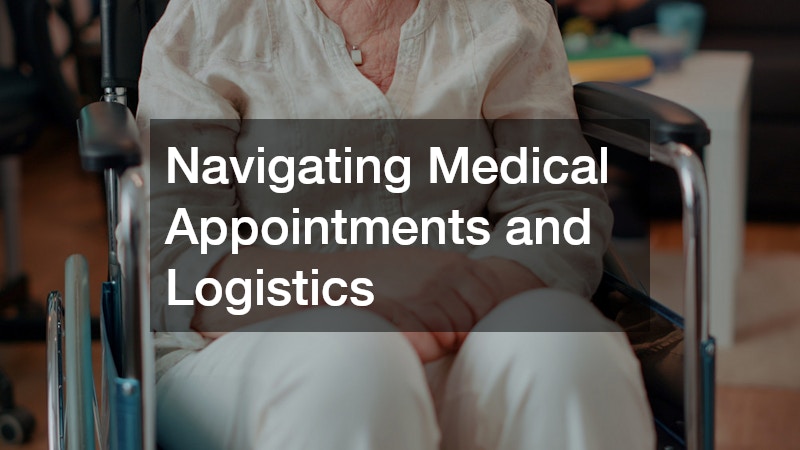
The logistics of getting to a clinic can be the most significant barrier to care for a senior with limited mobility. The physical act of coaxing a pet into a vehicle, securing a seatbelt, and walking from a parking lot into a waiting room is a complex sequence of movements. When a pet senses their owner’s instability, they may also become more anxious, making the trip even more difficult.
To solve the transportation puzzle, many seniors are now turning to local medical transportation services that are pet-friendly. While traditionally used for human doctor appointments, certain community-based transport programs recognize the importance of the human-animal bond and allow seniors to bring their pets in carriers to veterinary visits. This ensures you arrive safely at the door without the stress of driving or navigating traffic.
Once you have secured a ride, the next step is choosing a facility that accommodates your physical needs. An animal clinic that offers “curbside” assistance can make a world of difference. When you call to make an appointment, mention your mobility constraints so that a staff member can be ready to assist you with the pet’s carrier or leash the moment you arrive.
- Request double-length appointments: This gives you and your pet more time to settle into the exam room without feeling rushed.
- Use lightweight carriers: Invest in a carrier with wheels or one that can be pulled like a suitcase to avoid carrying weight.
- Telehealth consultations: Ask if your provider offers video calls for non-emergency follow-ups to reduce the number of physical trips.
- Pre-fill paperwork: Ask the office to email forms so you can complete them at your own desk rather than standing at a counter.
Choosing the Right Veterinary Partners
The type of medical professional you choose for your pet can significantly impact your experience as an owner. A vet who is sensitive to the needs of seniors will be more likely to suggest treatments that are easy for the owner to administer. For instance, they might prioritize long-acting injectable medications over a pill that must be given three times a day, which can be difficult for someone with limited dexterity.
Developing a rapport with a specific pet vet allows for a more personalized care plan. When the doctor is familiar with your home situation, they can tailor their advice to ensure it is practical. They might suggest specific mobility aids for your dog that make it easier for you to guide them, such as a harness with a handle on the back.
For cat owners, the environment of the office is just as important as the medical expertise. Seeking out a dedicated cat clinic can reduce the “chaos factor” often found in general practices where large dogs may be barking. A quieter, feline-focused environment makes it easier for a senior to maintain control of their cat, reducing the risk of the owner being pulled or tripped during the visit.
- Ask about home delivery for prescriptions: Many offices have online pharmacies that ship directly to you.
- Discuss “easy-dose” medications: Seek out liquids or transdermal gels if pilling is physically difficult.
- Request summaries in large print: Ensure you can easily read the instructions for post-visit care.
- Consolidate visits: Try to schedule all of your pets for checkups on the same day to minimize travel.
Planning for Urgent and Emergency Situations
Emergencies are inherently chaotic, but for those with mobility issues, a lack of planning can turn a manageable crisis into a dangerous situation. If a pet becomes suddenly ill in the middle of the night, the physical demands of reacting quickly can lead to the owner’s injury. Pre-planning is the only way to mitigate this risk.
Identify the nearest urgent care vets and save their contact information in your phone and on a physical list. It is also wise to have a “go-bag” for your pet that includes a copy of their medical records, a small supply of food, and their medications. This ensures that if you need to leave quickly, you aren’t rushing around the house trying to gather supplies while your balance is compromised.
Maintaining a relationship with various veterinarians in your area ensures you have options if your primary doctor is unavailable. Some practices have a rotating schedule of doctors, so it helps to be a registered client at more than one facility. This way, if a situation arises that isn’t quite an emergency but cannot wait until Monday, you have a familiar place to go.
- Identify a 24/7 facility: Know the route and the parking situation before you ever have an emergency.
- Set up a “Pet ICE” (In Case of Emergency) contact: Have a neighbor or family member who can be called specifically to help with pet transport.
- Keep a leash by your bed: In the event of a fire or midnight emergency, you need to be able to secure your pet instantly.
- Inform your alarm company: If you have a monitored home security system, ensure they have “pets inside” noted in their records so responders are aware.
Modifying the Home for Safety and Access
Your home environment is the foundation of your pet care routine. Making small modifications can significantly increase your independence and safety. For many seniors, the biggest risk is the pet itself—not through any malice, but because animals can be “tripping hazards” when they weave between legs or leave toys in high-traffic walkways.
One way to manage the environment is to designate specific zones for the pet. Using baby gates or clear boundaries can keep the pet out of small, cluttered areas like kitchens or laundry rooms where a fall is more likely to occur. This doesn’t mean the pet is isolated, but rather that the owner’s primary walking paths are kept clear and predictable.
If your mobility makes it hard to get outside for frequent bathroom breaks, consider high-quality indoor options. For smaller dogs, indoor grass patches or sophisticated pad systems can provide a backup for days when your mobility is particularly limited, or the weather is poor. This reduces the pressure on the owner to navigate stairs or uneven outdoor terrain multiple times a day.
- Improve lighting: Use motion-sensor nightlights so you can see your pet on the floor during the night.
- Non-slip rugs: Ensure all floor coverings are secured with tape to prevent bunches that could cause a stumble.
- Bell on the collar: Put a small bell on your pet’s collar so you can always hear where they are, preventing accidental collisions.
- Clear the “launch zone”: Keep the area near the door free of clutter to make leashing up as safe as possible.
Leveraging Community and Social Support

No senior should feel they have to manage the complexities of pet ownership entirely alone. Often, there are community resources available that are specifically designed to help older adults keep their animals. These might include volunteer dog walking programs or local charities that provide pet food to those on a fixed income.
Networking with other pet owners in your neighborhood can also provide a safety net. A simple “buddy system” where a neighbor checks in on you and your pet once a day can provide immense peace of mind. These informal arrangements often lead to shared resources, such as splitting the cost of a mobile groomer or taking turns having a professional come to the house for basic care.
Finally, do not underestimate the power of professional help. If your budget allows, hiring a teenager or a local pet sitter for thirty minutes a day to do the “heavy lifting”—the litter box, the yard cleanup, the high-energy play—can be the difference between keeping your pet and having to rehome them. This small investment preserves your physical health and allows you to focus on the joy of companionship.
- Check with local senior centers: Many have bulletin boards for pet-related volunteer help.
- Join local social media groups: Neighborhood apps are great for finding reliable, local help for quick tasks.
- Look for “Meals on Wheels” pet programs: Some branches provide pet food delivery alongside human meals.
- Consult with your doctor: Your own physical therapist may have suggestions on how to move safely while interacting with your pet.
Adapting to limited mobility is a journey of resilience. While the way you care for your pet may change, the underlying connection does not. The transition from being the primary physical laborer to the primary manager of care is a sign of wisdom and responsibility. It ensures that the pet receives top-tier care while the owner remains safe, healthy, and capable of enjoying the many years of friendship still to come.